Treatment expectations
How Many Sessions Does Laser Tattoo Removal Take?
The short answer
More than most people expect, and nobody can give you the exact number before you start. In the largest study, under half of tattoos were fully gone after ten sessions and three quarters after fifteen. How much ink there is, where the tattoo is, its colours and its age move you up or down that range.
Written by Daniel Mason, Level 4 Laser Technician at The Blackbird Wing
Published · Last reviewed · 3 min read
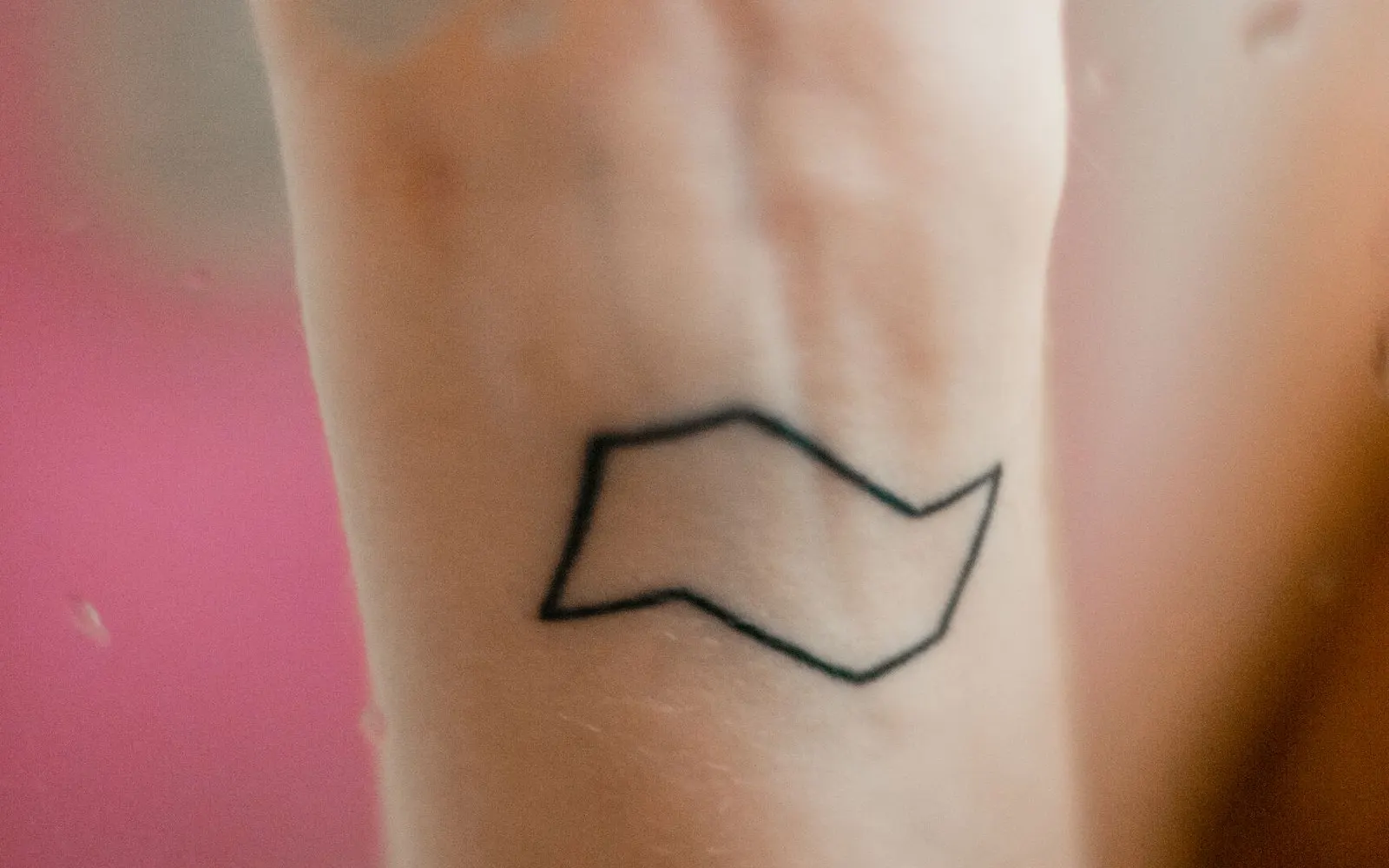
This is the first question at every consultation, and the only truthful answer is a range. Below is where that range comes from.
What the research says
The largest study followed 352 people at one clinic in Milan through Q-switched laser removal, the same type of laser I use, and counted how many tattoos were completely gone at each stage.[1]
Tattoos completely removed, by session count
- After 10 sessions47.2%
of 352 tattoos were completely gone
- After 15 sessions74.8%
of 352 tattoos were completely gone
The faint line is the halfway mark. “Completely removed” was the study’s finish line, which is a higher bar than most people set for themselves.[1]
A 2025 study at another clinic followed 116 people with black tattoos through complete removal with a picosecond laser and worked out which factors changed the count. How dense the ink was mattered most, then where the tattoo was on the body, how old it was, and whether it was made of dots, lines or both. The size of the tattoo, the person’s age, their skin type and their gender made no significant difference.[2]
What moves the number
Three factors have their own guides: where the tattoo is, what colours are in it, and whether you smoke, which the scale doesn’t score at all.
References
- 1.Bencini PL, Cazzaniga S, Tourlaki A, Galimberti MG, Naldi L. Removal of Tattoos by Q-Switched Laser: Variables Influencing Outcome and Sequelae in a Large Cohort of Treated Patients. Archives of Dermatology. 2012;148(12):1364–1369. doi:10.1001/archdermatol.2012.2946One clinic’s records of 352 people treated with the same type of laser I use, over fifteen years.
- 2.Menozzi-Smarrito C, Pineau N. A New Predictive Model for Tattoo Removal: Leveraging Patient and Tattoo Characteristics. Journal of Cosmetic Dermatology. 2025;24(7):e70186. doi:10.1111/jocd.70186One clinic following 116 people with black tattoos through complete removal with a picosecond laser.
- 3.Kirby W, Desai A, Desai T, Kartono F, Geeta P. The Kirby-Desai Scale: A Proposed Scale to Assess Tattoo-removal Treatments. The Journal of Clinical and Aesthetic Dermatology. 2009;2(3):32–37. Read the source · PubMedThe scoring system behind our session calculator.
Keep reading
Treatment expectations
Does Where Your Tattoo Is Affect How Quickly It Fades?
A 2026 study of 111 people found that where a tattoo sits on the body mattered more than anything else it measured. That matches what I see in the studio, and I explain what it means if I’m treating yours.
Reviewed · 4 min readRead →

Treatment expectations
Why Has My Tattoo Stopped Fading?
The easy ink goes first, so later sessions show less change. The research points to four things to check when a tattoo plateaus, and I go through what I do about each.
Reviewed · 3 min readRead →

Treatment expectations
Does Smoking Affect Laser Tattoo Removal?
Smoking is the one lifestyle habit anyone has measured in tattoo removal, and smokers were less likely to have their tattoo fully gone. If you smoke and I’m treating you, this is what it means.
Reviewed · 3 min readRead →