Treatment expectations
Does Smoking Affect Laser Tattoo Removal?
The short answer
Yes. In the largest study to look at it, smokers were less likely to have their tattoo fully gone after the same number of sessions. If you smoke, plan for more sessions. If you stop, the healing side starts to recover within about four weeks.
Written by Daniel Mason, Level 4 Laser Technician at The Blackbird Wing
Published · Last reviewed · 3 min read
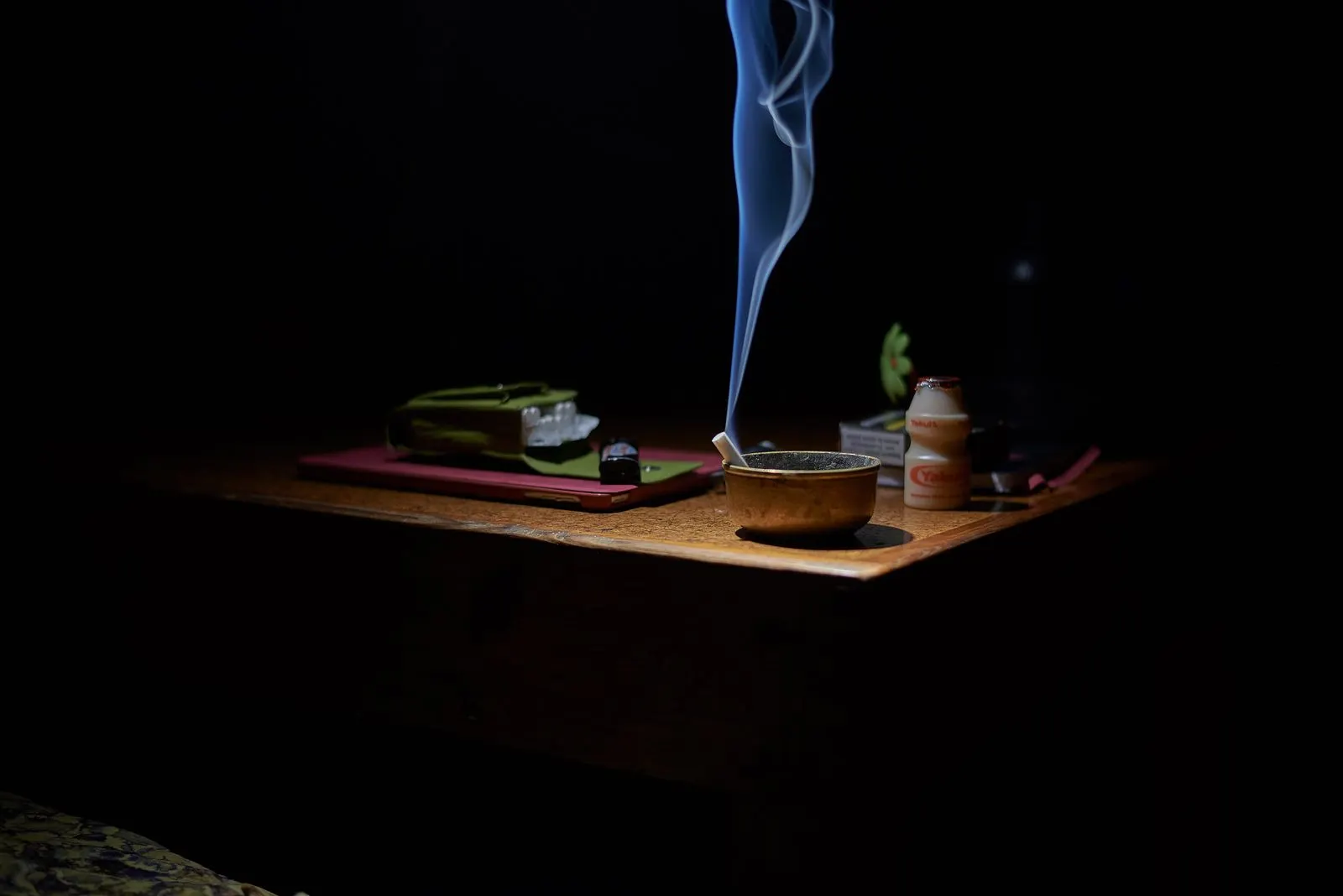
Smoking is the one lifestyle factor that has been properly measured in tattoo removal, and the result is worth knowing before you start.
What the study found
A clinic in Milan followed 352 people having Q-switched laser tattoo removal between 1995 and 2010, all treated by the same person.[1] They carried on until the tattoo was gone or the person stopped coming, then looked at what the people whose tattoos cleared had in common.
The others were colours other than black and red, tattoos larger than 30 square centimetres, tattoos on the feet or legs, tattoos older than three years, dense ink, and sessions less than eight weeks apart.[1] Most of those are about the tattoo. Smoking is the one thing on that list you can change.
Linked to a poorer response in 352 people
- Colours other than black and redabout the tattoo
- Larger than 30 square centimetresabout the tattoo
- On the feet or legsabout the tattoo
- Older than three yearsabout the tattoo
- Dense inkabout the tattoo
- Sessions less than eight weeks apartabout the schedule
- Smokingabout you
Six of the seven are about the tattoo or the gap between sessions. Smoking is the only one about the person, and the only one you can change.[1]
Why would smoking matter?
The laser breaks the ink into smaller pieces, and your immune system has to carry those pieces away. A 2018 study in mice found that the cells holding tattoo ink in place are immune cells in the skin (macrophages), and that the ink only gets a chance to drain away once it is broken up small enough.[2]
What this means if I’m treating you
If you smoke, expect it to take longer, and expect me to say so up front.
If you want to stop, the four-week figure above is a useful target: stop a month before your next session and the healing side should have started to recover by then.[3]
People ask about alcohol, exercise and drinking water just as often. None of those has been measured in tattoo removal, and I’ve written about each separately.
References
- 1.Bencini PL, Cazzaniga S, Tourlaki A, Galimberti MG, Naldi L. Removal of Tattoos by Q-Switched Laser: Variables Influencing Outcome and Sequelae in a Large Cohort of Treated Patients. Archives of Dermatology. 2012;148(12):1364–1369. doi:10.1001/archdermatol.2012.2946The study this guide is about: one clinic’s records of 352 people treated over fifteen years.
- 2.Baranska A, Shawket A, Jouve M, et al.. Unveiling skin macrophage dynamics explains both tattoo persistence and strenuous removal. Journal of Experimental Medicine. 2018;215(4):1115–1133. doi:10.1084/jem.20171608A laboratory study in mice of how immune cells in the skin hold on to tattoo ink.
- 3.Sørensen LT. Wound healing and infection in surgery: the pathophysiological impact of smoking, smoking cessation, and nicotine replacement therapy: a systematic review. Annals of Surgery. 2012;255(6):1069–1079. doi:10.1097/SLA.0b013e31824f632dA review of 177 studies on how smoking affects healing. About surgical wounds, not tattoo removal.
Keep reading

Treatment expectations
Does Drinking Alcohol Affect Laser Tattoo Removal?
No study has measured how alcohol affects tattoo removal. It is known to slow healing, so I ask for a few dry days around a session.
Reviewed · 2 min readRead →
Treatment expectations
Does Exercise Help Laser Tattoo Removal?
Exercise moves lymph fluid several times faster, and that is how ink leaves the skin. No study has tested it on a tattoo, so here is what I tell clients about training.
Reviewed · 3 min readRead →
Treatment expectations
Does Where Your Tattoo Is Affect How Quickly It Fades?
A 2026 study of 111 people found that where a tattoo sits on the body mattered more than anything else it measured. That matches what I see in the studio, and I explain what it means if I’m treating yours.
Reviewed · 4 min readRead →